AI Music Lies: Part 1 – The ‘Real Musician’ Myth

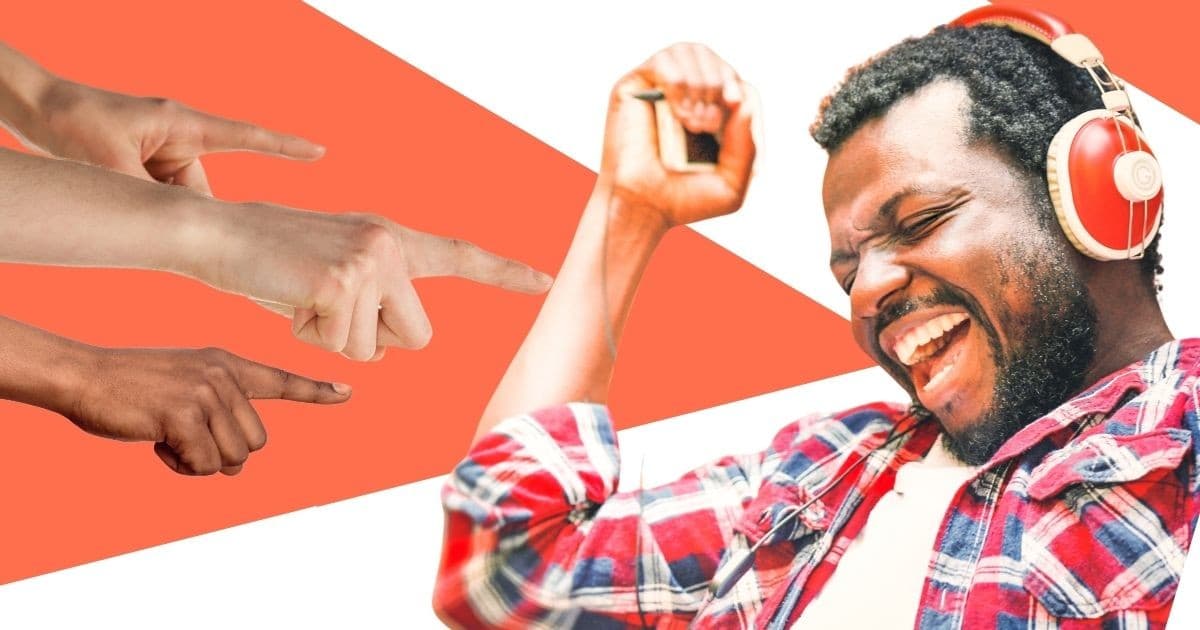
There’s a comfortable story people like to tell about AI music. It goes something like this:
“AI music is made by people with no musical ability pressing buttons and pretending to be artists.”
Our data says otherwise. In our survey of AI music creators, we found that more than 75 percent of respondents reported that they were already musically active in some way.
Almost half were already writing or producing songs. Around 10 percent could play instruments — many describing themselves as proficient. Only a minority had little or no prior musical experience.
This matters. Because it dismantles one of the laziest criticisms of AI music. AI creators are not predominantly outsiders trying to bypass musicianship. They are, overwhelmingly, people who are already deeply engaged with music.
Not tourists. Participants.
This aligns with broader industry research describing AI music creators as music “superfans".
AI music creators are music superfans: highly engaged individuals who do more than passively stream. They follow artists closely, share music, pay for subscriptions and actively participate in music culture.
The irony is hard to ignore. The people accused of “not caring about real music” often care about music more than anyone else!
The Uncomfortable Truth
AI creators are not replacing musicianship. They are compensating for missing infrastructure:
No band
No studio access
No budget
No collaborators
No confidence
AI is their bridge between imagination and execution.
One creator told us he had spent years writing lyrics that never left a notebook. AI gave him the first opportunity to actually hear those words become songs. Another uses AI to resurrect tracks written long ago but abandoned through self-doubt and lack of budget.
These are not stories about replacing musicianship. They are stories about unlocking it.
Everyone's a winner
Sure, there are creators with no prior musical experience. Good. Every technological shift lowers barriers. Photography did not die when cameras became ubiquitous. Filmmaking did not collapse when smartphones arrived. Widespread use opened a host of new opportunities, many of which we couldn't have imagined before.
Music will not implode because creation tools are becoming more accessible.
Access does not dilute creativity. It expands it.
History is brutally consistent on this point. What changes is not whether the art survives. What changes is that everyone has the opportunity to participate.
What people make of that opportunity is up to them. If this early wave of AI music creation tells us anything, it tell us:
You care about songwriting.
You care about emotion.
You care about being heard.
Find your audience
As AI music grows, the challenge will not be whether 'meaningful' music can be created. It will be whether people can connect to other people who share their love of music. Some of that is through ratings and charts and some is through community. Ignore the naysayers, make great mucis, and you'll find your audience.
Mark Devlin is the CEO of UPCHART
If you're an AI music creator — or curious to discover the best AI music out there — we'd love your help as we build this. Join the UPChart beta test waitlist to get FREE CREDITS and be part of shaping how AI music gets discovered.