AI Music should not be labelled
If you can't tell it's AI music, why label it?

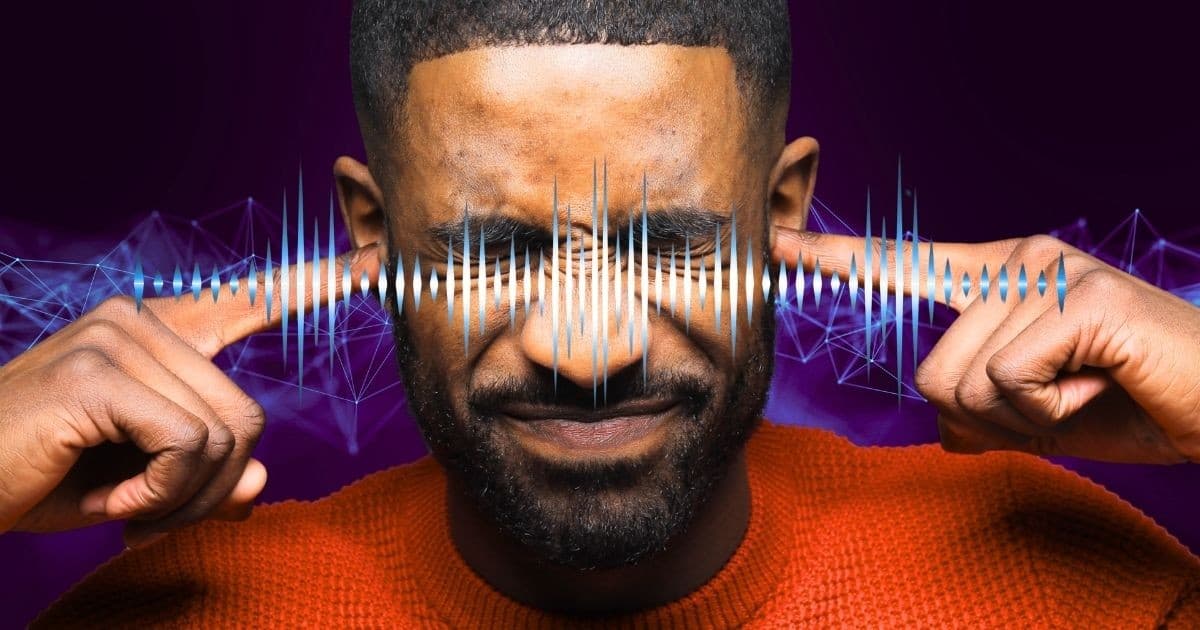
A recent survey by Deezer and Ipsos found that 97% of listeners couldn’t reliably tell the difference between AI-generated and human-made music, yet in that same survey, around 80% still said AI music should be labelled.
That tension is where things get interesting. If almost nobody can reliably hear the difference, then labelling isn’t solving a listening problem. It’s doing something else entirely.
We tend to assume music stands on its own – that if something sounds good, it is good. But the moment you tell someone a track was made by AI, the frame changes. The exact same song can suddenly feel less authentic, less meaningful, even if nothing about the sound itself has changed. That suggests the reaction isn’t really about the music. It is about what sits behind it.
It's Not About the Sound
If two songs sound identical but your opinion shifts once you know one is AI, then listeners' judgement is being shaped by context rather than what they are actually hearing. That matters, because it reframes the whole debate. The push for labelling is not really about helping people navigate music. It is about preserving a belief that there is a meaningful difference between human-made and AI-made work, even when that difference cannot be heard. Many people want to feel that what they are listening to is authentic. They want to support human creators. They want to avoid the sense that they have been misled. All of that is understandable, but none of it comes from the sound itself.
Labelling is Control
There is a growing effort, particularly from established parts of the industry, to draw a clear line between “AI music” and “real music.” On the surface, that sounds reasonable. But look a bit closer and it starts to feel less like clarity and more like control.
Labelling creates a boundary that says this is acceptable and this is not. It allows existing players to define the terms of the space, even as that space is changing underneath them.
The problem is that the boundary does not hold. AI is not arriving as a separate category of music. It is becoming part of the entire process. It is already being used to generate ideas, shape lyrics, refine production, clone voices, and finish tracks. Once that happens, the question of what counts as “AI music” becomes impossible to answer cleanly. There is no obvious point where a track crosses the line, because the line itself is fading.
When Everything Uses AI, Labels Stop Working
Labelling only works when the categories are clear. But we are rapidly moving toward a world where almost every track involves AI in some form, whether it is visible or not. At that point, trying to separate “AI music” from “non-AI music” starts to feel artificial. You either label almost everything, which makes the label meaningless, or you apply it inconsistently, which makes it misleading.
This current push is likely to be self-defeating. It is built on the idea that AI music can be contained as a distinct category, when in reality it is spreading into everything.
There is a slight contradiction here for platforms like UPCHART, which focus entirely on AI music. But that is more about timing than direction. Right now, AI music still feels distinct because it is new and visible. Highlighting it makes sense in that context. With so much negativity from vested interests, AI-music creators need a space that they can call their own.
Long term, though, this is not about creating a separate lane. It is about recognising where things are heading. AI will not sit alongside music as an alternative. It will be embedded within it. When that happens, labels do not clarify anything. They just reflects a distinction that no longer exists.
And as most people already cannot hear the difference, we are closer to that point than we think.
Mark Devlin is the CEO of UPCHART.
If you're an AI music creator — or curious to discover the best AI music out there — we'd love your help as we build this. Join the UPChart beta test waitlist to get FREE CREDITS and be part of shaping how AI music gets discovered.